Foundation installation in Lakewood CA - a base built for the ground it sits on
Building a new home or addition and not sure what your ground will hold? We match the foundation to your lot and pour it right.
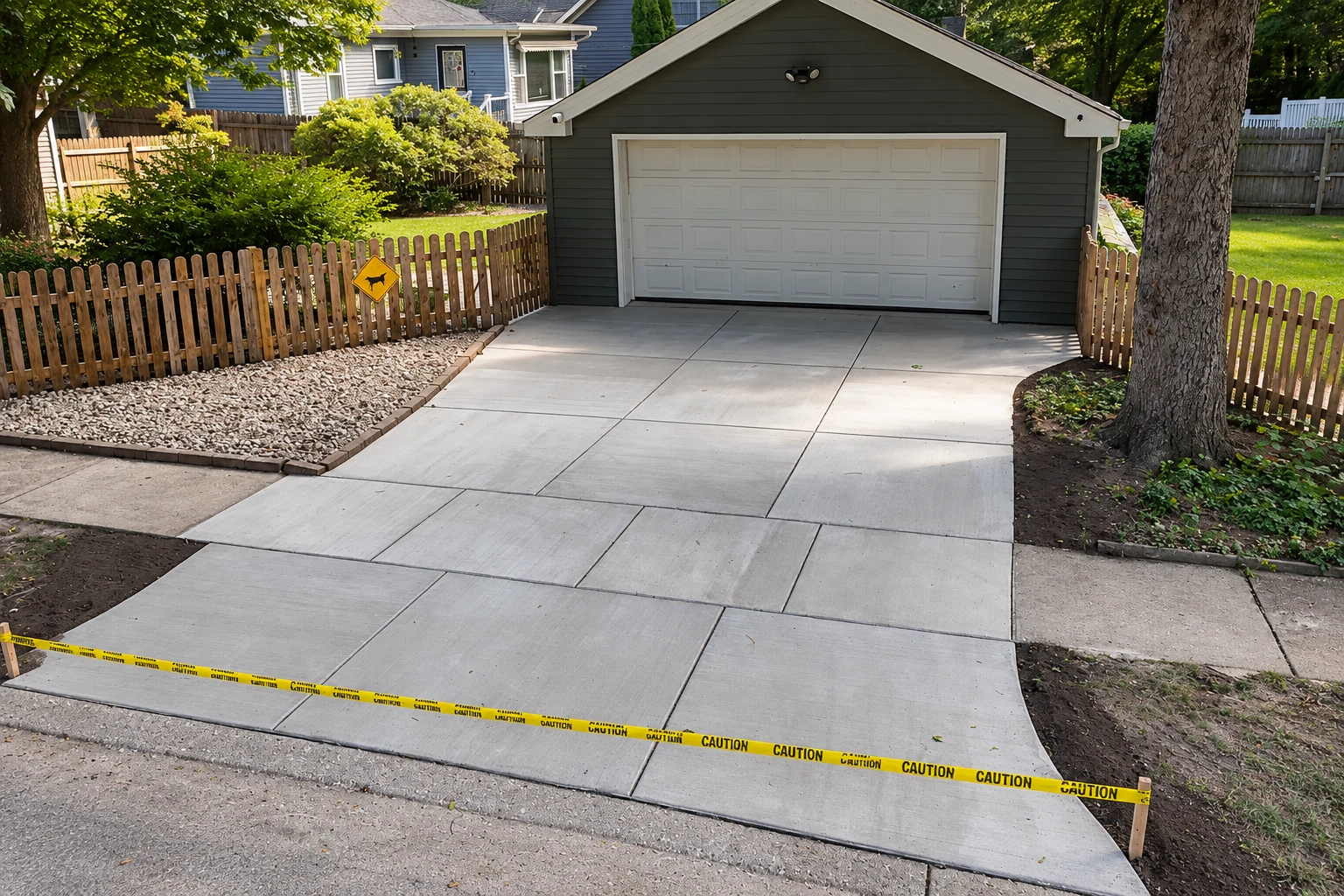
Foundation installation starts with the ground
A foundation is the concrete base your house stands on. For a slab, we level the site, pour the concrete footings first, then pour one solid slab across the whole house. When one gives trouble later, it's usually the ground underneath or water running toward the house.
I let the lot decide the type, and when the ground could go either way I price the options side by side. Price and timing move with the type, the footprint, the slope and the digging, all spelled out in your estimate. LA County Public Works lists new buildings, additions, repairs and grading among the work it permits, so we check whether yours needs one before pricing and handle the application.
- Base dug out and packed, not raked
- Foundation type matched to the lot
- Footings poured before the slab goes in
- Water steered away from the house
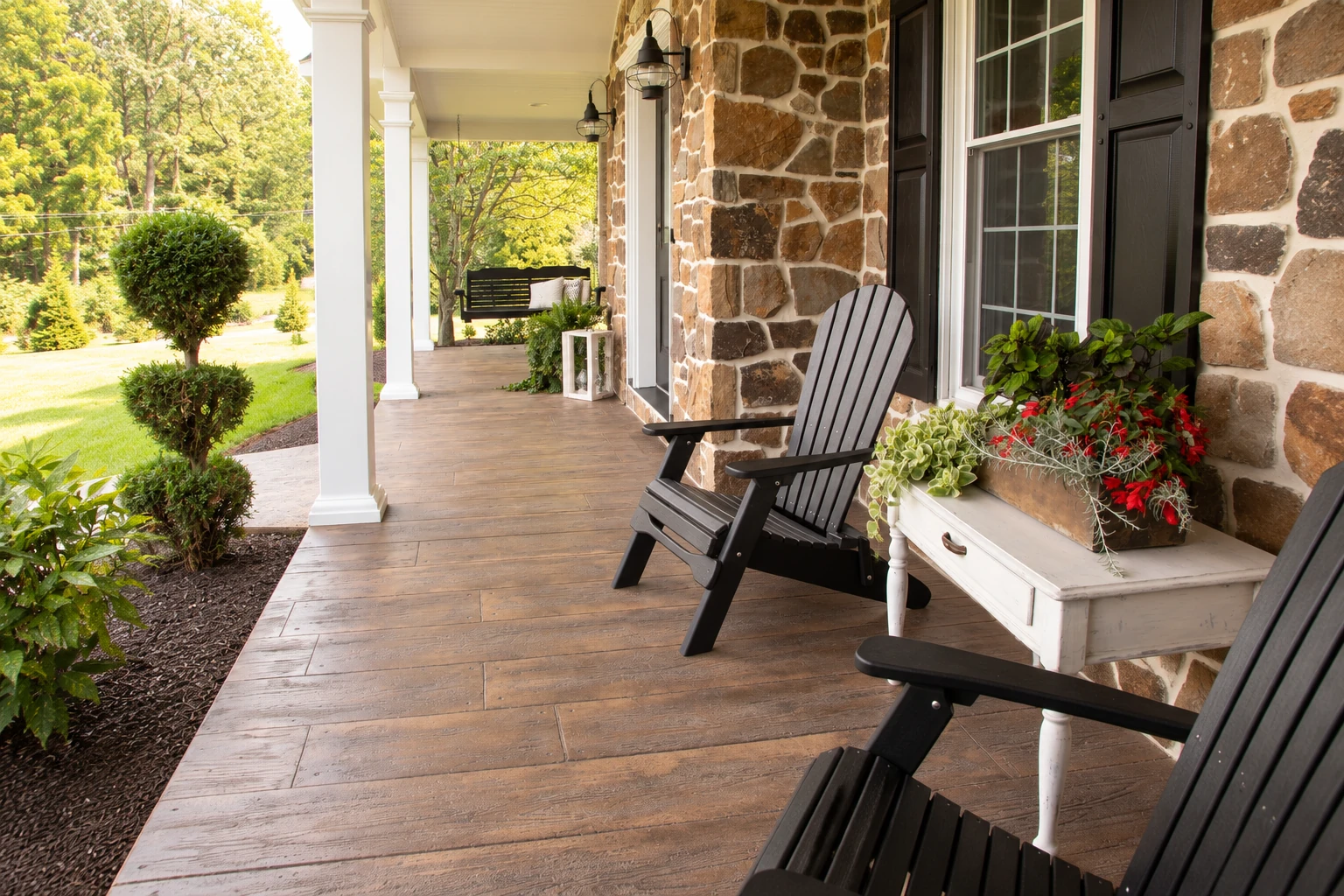
Slab, stem wall or pier and beam
The right type depends on the soil and the water level under your lot, so I'd rather match the foundation to the ground than to a habit.
Slab
- When it suits
- Flat ground, a warm climate, shallow bedrock or a tight budget.
- What to weigh
- One solid pour, so it's only as good as the packed base below.
Stem wall
- When it suits
- Sloped lots, or ground that may shift in an earthquake.
- What to weigh
- Short walls around the edge, partly below ground, built to different heights where needed.
Pier and beam
- When it suits
- Seismic areas, where you want the house set up on piers.
- What to weigh
- Wood piers can rot or draw termites, and it may need a costly drainage system.
How a foundation job runs
Call or send the form
Call or send the form, and we'll set up a time for me to come look at the ground, truck access and what you have in mind.
A plain estimate
I write up the prep, the finish and anything a permit might touch in plain words, so you can see exactly what's included.
Base and footings
Once you're ready we schedule it, dig out and pack the base, set the forms and pour the footings, because everything above rides on them.
Pour day
A foundation pour typically fills a full 8-hour day, and I'm on site running our crew. Then the concrete cures, hardening slowly before it carries weight.
Walking it together
I walk the finished foundation with you, point out the cracking that's normal and explain the upkeep that keeps water away from it.
What to weigh before you build
These are the things that change which foundation I'd recommend and what goes into your estimate, so it helps to think them through before I come out.
Spend on the base first
The base is buried the day we pour, so it's the easy place to save money, but I'd trim the finish first because a settling foundation is hard and costly to fix.
Where the water goes
Water under a foundation causes most trouble, so I check how the lot drains and grade new paving around it, like a parking lot, to carry water away.
Room for the trucks
A pour needs trucks or a pump to reach the forms, so a tight side yard, a fence or overhead lines can change how we pour and what it costs.
Size and shape of the house
A bigger or more cut-up footprint means more forming and more footings, and an addition has to tie in cleanly to the foundation already under the house.
What solid foundation work looks like
Look for straight forms, clean footings and a base dug down to firm ground before any concrete goes in. Open the examples to see them closer.
Tell us about your lot
Send the address, the home's square footage and a note on any slope. We'll reply within one business day to set up your free on-site estimate, with no obligation.
To talk now, call
(562) 249-2521Foundation questions we hear most
Another question? Call (562) 249-2521
How much does a new foundation cost in Lakewood?
Across the US, a foundation usually costs about $6 to $50 per square foot, depending on the type. That's a national range, not our price. For your own figure, I price your lot at the estimate and write out what's included.
Which foundation type is right for my lot in Lakewood?
The ground decides, mainly the soil and the water level under your lot. The comparison above shows when a slab, stem wall or pier and beam fits, and when the lot could go either way I price the options side by side.
How do I know if my Lakewood property is in an earthquake hazard zone?
Check your address on the state's EQ Zapp map, which shows whether it sits in a mapped hazard zone or hasn't been evaluated yet. In a liquefaction zone, where loose, wet soil can go soft in a quake, the foundation soil has to be investigated and countermeasures built into the home, and cities and counties use those zones in permitting.
Is it normal for a new concrete foundation to crack?
Some cracking is normal. Cracks in concrete slabs and walls are common, and most aren't a cause for alarm. Cracking can be cut way down when its causes are planned for, so we pack the base, keep water away and cut control joints, grooves that give the concrete a straight place to crack.
How long does a new concrete foundation last?
A well-built foundation can last for decades or longer. Soil, climate, drainage, routine upkeep and quick repairs all affect that, so keeping water moving away and fixing problems early helps it last.
What should I look for in a foundation contractor near Lakewood?
Look for a licensed concrete contractor, the trade California's licensing board defines as forming, pouring, placing, finishing and installing concrete, which is what a foundation is. We're licensed and fully insured. Satisfaction guaranteed on every job.