Concrete Parking Lot Building in Lakewood CA - a slab sized for how your lot gets used
Cracked, patched asphalt or a dirt lot that puddles after rain? We grade, pour and finish a concrete lot built to drain and carry traffic.
A concrete parking lot starts with the ground
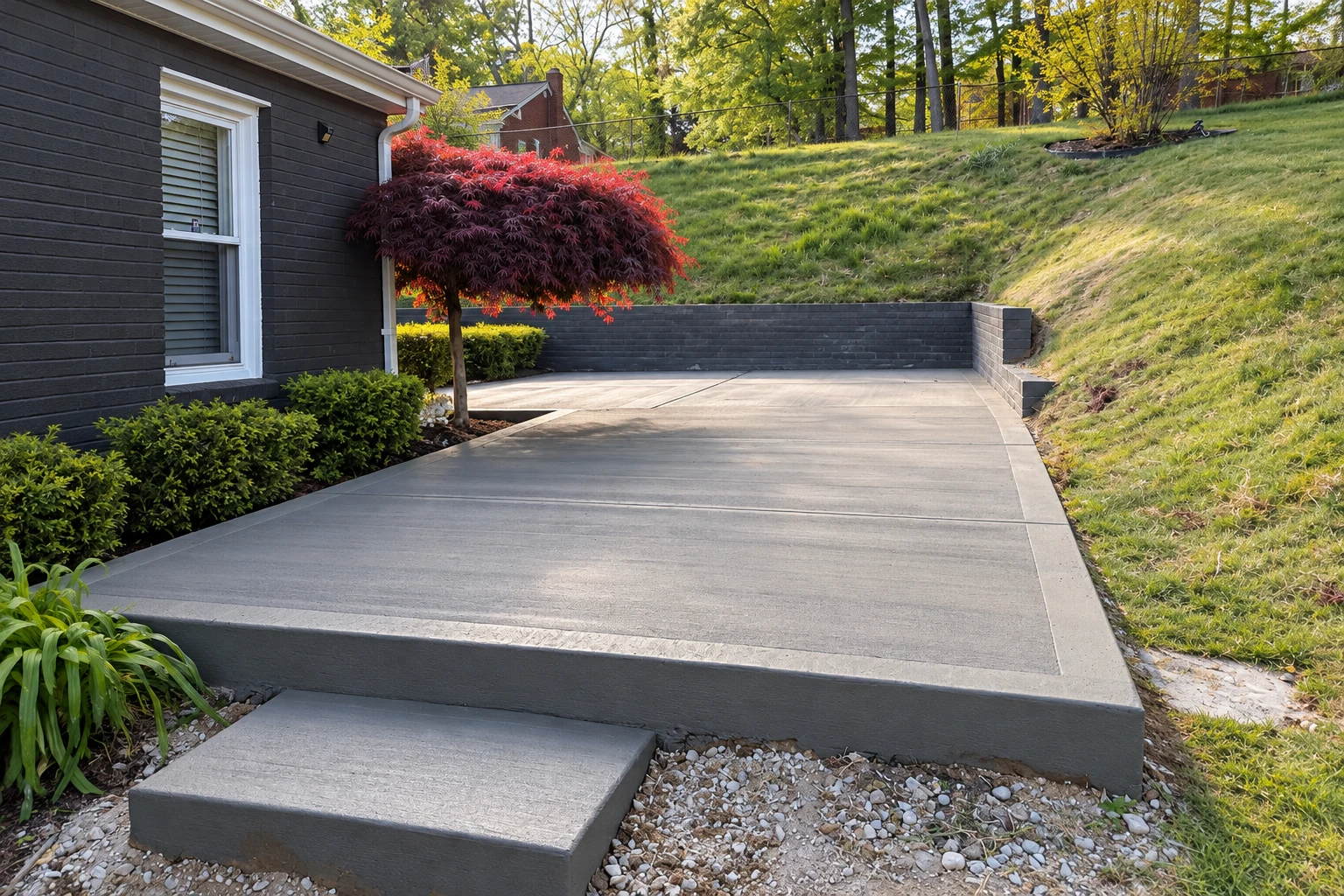
Concrete parking lot building in Lakewood means grading the ground, packing a base, then forming, pouring and finishing the pavement. When an old lot fails, the cause is usually underneath: a base raked level instead of dug out and packed, water with nowhere to go, or control joints, the grooves that tell cracks where to run, cut late or skipped.
The price moves with the lot's size, how much grading and base work the ground needs, how thick the slab has to be where trucks drive, and extras like curbs or concrete footings for light poles. The schedule turns mostly on the weather and on curing, the wait while fresh concrete gains strength before cars go on it. I put all of it in plain words on your estimate.
- Base dug out and packed, not raked
- Slab thicker where the trucks run
- Every slope sends water away from buildings
- Control joints cut on time, in planned spots
- Accessible stalls and routes laid out first
- Pours set for cooler, calmer days
Where the slab needs its strength
Most lots don't carry the same load everywhere, so the real choice is where the slab needs to be heavier and where it doesn't.
Thin all over
- How it's built
- One thin slab across the whole lot, with the base raked smooth instead of packed.
- How it holds up
- Truck lanes and the trash pad usually crack and sink well before the stalls do.
Sized to the use
- How it's built
- Heavier where delivery and trash trucks run, standard thickness where cars park.
- How it holds up
- Wear stays even across the lot, with far less patching as the years go by.
Heavy all over
- How it's built
- Truck-lane thickness poured under every stall, even spots that only see cars.
- How it holds up
- Holds up fine, but you pay for concrete the parking stalls never needed.
How we plan and pour a lot
You reach out
You call (562) 249-2521 or send the form with the lot's location, and we get back to you to set up a visit.
I walk the site
I come out myself to look at the ground, the access, and who uses the lot and how, since that shapes the slab and accessible stalls.
Plain-word estimate
I write the estimate myself in plain words, laying out the grading, base prep, slab thickness and finish so you know what's included.
Picking pour days
We schedule pour days around the weather, because air over 90°F, low humidity, wind and strong sun dry fresh concrete too fast and weaken the top.
Grade, base, pour
Our crew grades the lot, packs the base, sets forms and pours, and I'm on site running the crew through the finish and joint cutting.
Walk-through
Once the site's cleaned up, I walk the lot with you, show you where the joints are and talk through curing and the upkeep that comes after.
What to settle before the first pour
Most of what decides how a lot holds up happens before the concrete truck shows up, and these points change both the work and the estimate.
Base before finish
The base is what people cut first, because nobody sees it on day one. I'd trim finish extras instead, since a nice top on a soft base still settles with the dirt.
Where the water goes
We're based in Lakewood, which sits in the Lower Los Angeles River watershed with Downey and Long Beach, so we plan where the runoff goes before a single form goes up.
A soil report helps
The county's stormwater guide says a soil study should flag expansive soil, which swells when wet, and whether keeping runoff on site can work. Send us yours if you have one.
Concrete that drains through
Pervious concrete lets rain soak through the slab, and one industry presentation says it can reduce or replace costly detention ponds or underground storage, leaving more land to use.
The building next to it
If the building beside the lot has sunk, look at foundation raising before we pour, so the new pavement meets the doors at the right height.
Concrete parking lots, up close
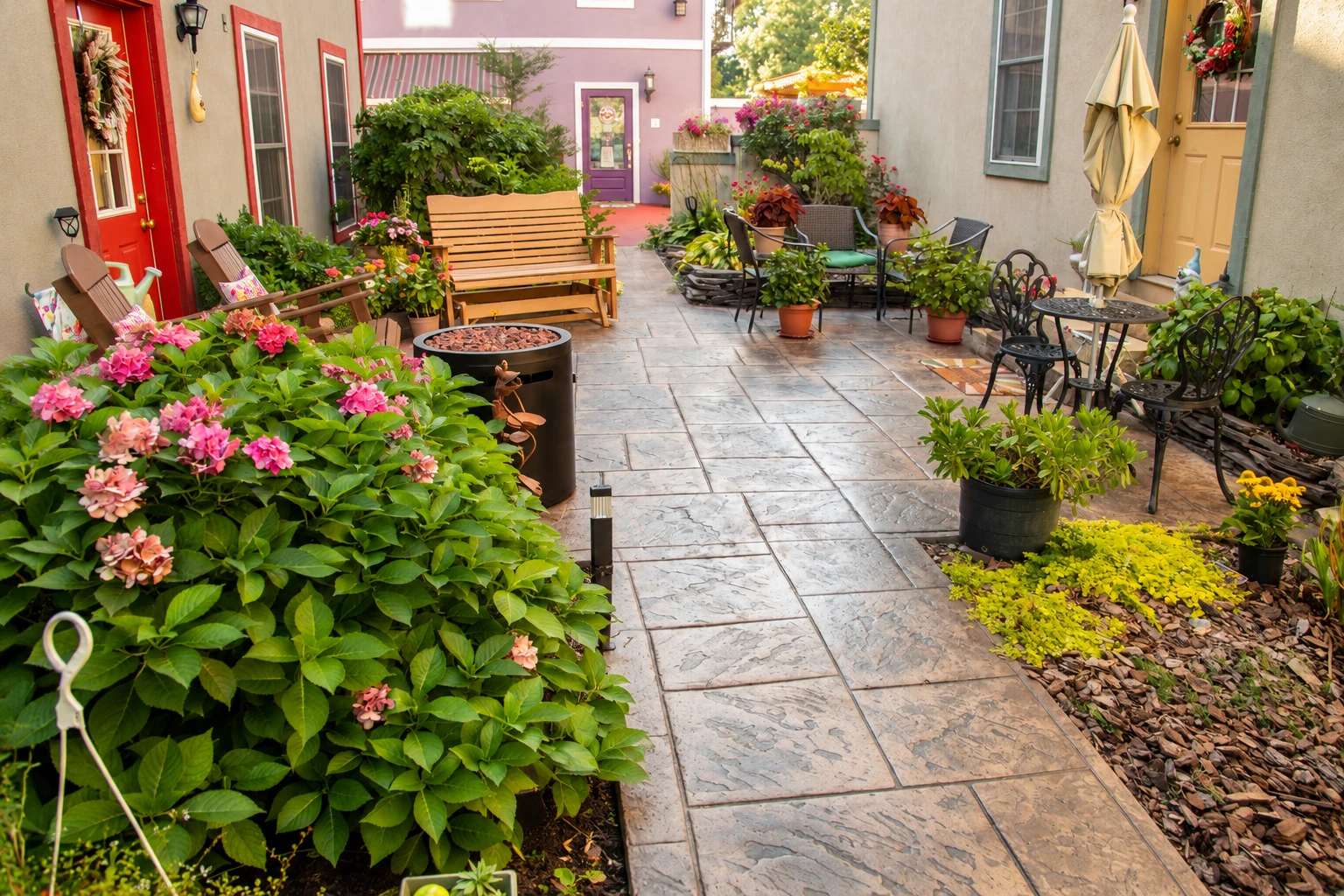
Look for straight joints, an even broom finish that gives tires grip, and slopes that lead water to a drain. Open any photo for a closer look.
Tell us about your lot
Send the lot's location, rough size, use and any soil report. We reply within one business day to set up a free on-site estimate, with no obligation.
To talk now, call
(562) 249-2521Questions owners ask about concrete lots
Another question? Call (562) 249-2521
How long does a concrete parking lot last?
One industry brochure points to concrete lots lasting 30 years and longer without major maintenance. That kind of life depends on a slab built for how the lot is used, over a base that won't settle, which is the part I spend the most time on. Satisfaction guaranteed on every job.
Will a new concrete parking lot crack like the old one?
Some fine cracking is normal in any slab, because concrete shrinks as it cures. What we can control is where it goes and whether the slab settles, so we pack the base, plan the drainage and cut the control joints on time.
What decides how thick a concrete parking lot should be?
The soil and the way the lot will be used decide how thick the paving should be. You shape that part by telling us what parks there and what drives through, like delivery or trash trucks, and the ground on your site decides the rest.
Do accessibility rules apply to my parking lot in Lakewood?
Yes, if the lot serves the public, a business or public housing, the building code's accessibility rules apply to it. The state's disability access commission says at least a third of formal complaints involve parking and accessible routes, and it publishes a guide to accessible parking written for business owners. Code questions go to the building official who handles plan review.
Which California licenses cover concrete parking lot work?
A C-8 Concrete Contractor license covers forming, pouring, placing and finishing pavement and other flat concrete work. Grading, trenching, backfill and placing paving fall under a C-12 Earthwork and Paving license. We're licensed and fully insured, and it's fair to ask any contractor what their license covers.